
This is a topic we want to approach carefully. Dysautonomia is a coined medical condition, and many people with it have been through a long and difficult journey, often being told “it’s all normal” or “it’s anxiety” along the way.
At Roots Chiropractic in Horsham, we don’t diagnose or treat dysautonomia or any medical condition, and we’re clear that it needs proper medical assessment. What we can explain is what we look at: how the nervous system is functioning, and how we support it alongside the care you’re already receiving.
What is dysautonomia?
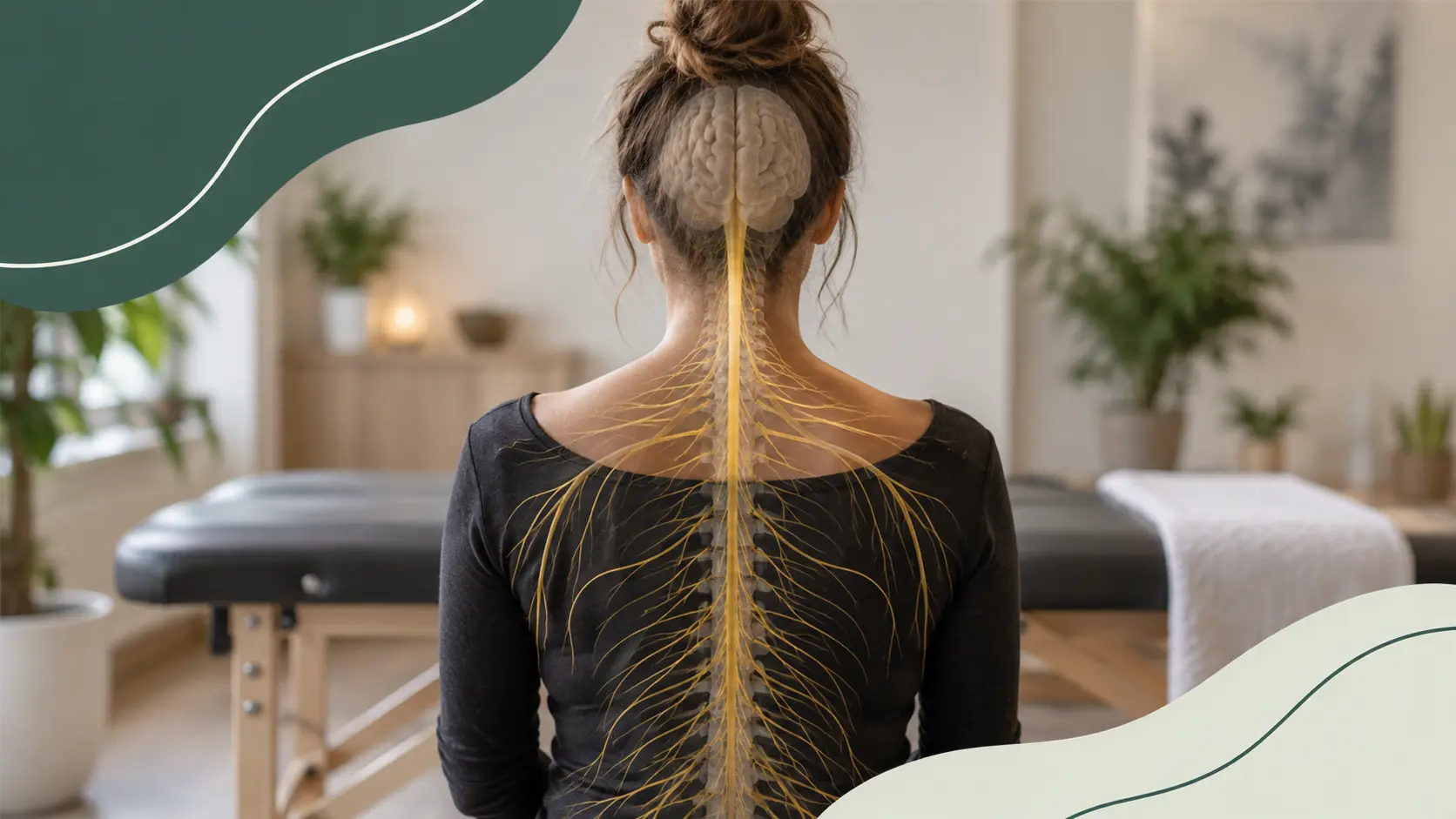
Dysautonomia is a general term for disorders that disrupt the autonomic nervous system (ANS). The ANS is the part of the nervous system that manages the things you don’t think about: heart rate, blood pressure, digestion, breathing, temperature regulation and more.
It’s an umbrella term that covers a range of conditions, each with different symptoms. Symptoms can involve many body systems and can come and go. Medical sources note there is no cure for dysautonomia, and that many symptoms can be managed with medical support. A diagnosis needs to
come from a doctor or specialist.
What is “nervous system dysfunction”?
In everyday language, people often use “nervous system dysfunction” to describe a feeling that their
body isn’t regulating the way it should. For example:
- Feeling dizzy or faint when standing
- A racing heart or palpitations
- Feeling “wired but tired”
- Difficulty regulating temperature
- Digestive changes
- Brain fog and fatigue
- Feeling easily overwhelmed
These experiences have many possible causes, and they overlap with a number of medical conditions.
That’s why a medical assessment is so important, and why we never suggest chiropractic as a substitute
for one.
The autonomic nervous system in simple terms
The ANS balances two broad states:
- Sympathetic: the “fight or flight” state that prepares you for action
- Parasympathetic: the “rest and digest” state that supports calm, recovery and repair
Vagal tone describes how well the vagus nerve supports the parasympathetic side. A healthy system
moves flexibly between the two, depending on what’s needed.
Stress or load → Sympathetic activation → Recovery → Return to balance
Why the Upper Neck and Spine come into it
The upper neck sits right next to the brainstem, which coordinates many of the body’s automatic functions. The neck is also packed with sensory receptors that tell the brain about position and movement. When the spine isn’t moving or communicating well, particularly the upper neck, the
information reaching the brainstem can become unclear, and the nervous system may stay in a more protective state. We don’t claim that this causes dysautonomia. The research on this area is still emerging. What we can say is that supporting the spine and nervous system can enable a palpable, experienced change for the person.
Heart rate variability (HRV) is the natural variation in the time between heartbeats, and it is widely used as a non-invasive way of looking at how the autonomic nervous system is regulating the body. It is
considered a marker of autonomic nervous system activity. A healthy system moves flexibly between sympathetic (activation) and parasympathetic (calming) states, and vagal tone describes how well the vagus nerve supports the calming side. Dysautonomia is the umbrella term for disorders where this regulation is disrupted, so it’s no surprise that HRV has been studied in conditions such as postural orthostatic tachycardia syndrome (POTS). The findings are mixed. One study found vagal-related HRV measures were lower in people with POTS, while another found a decrease in sympathetic activity alongside an increase in parasympathetic activity. A review also notes that HRV in POTS is greatly confounded by age, sex, race, physical fitness and circadian rhythm. That’s why HRV isn’t a diagnostic test, and why we never use it to say anything about a condition. At Roots, we use it as one of our objective markers of how your nervous system is responding over time, tracked alongside your assessments.
What chiropractic does and doesn’t do
What we do:
- Assess how your spine and nervous system are functioning
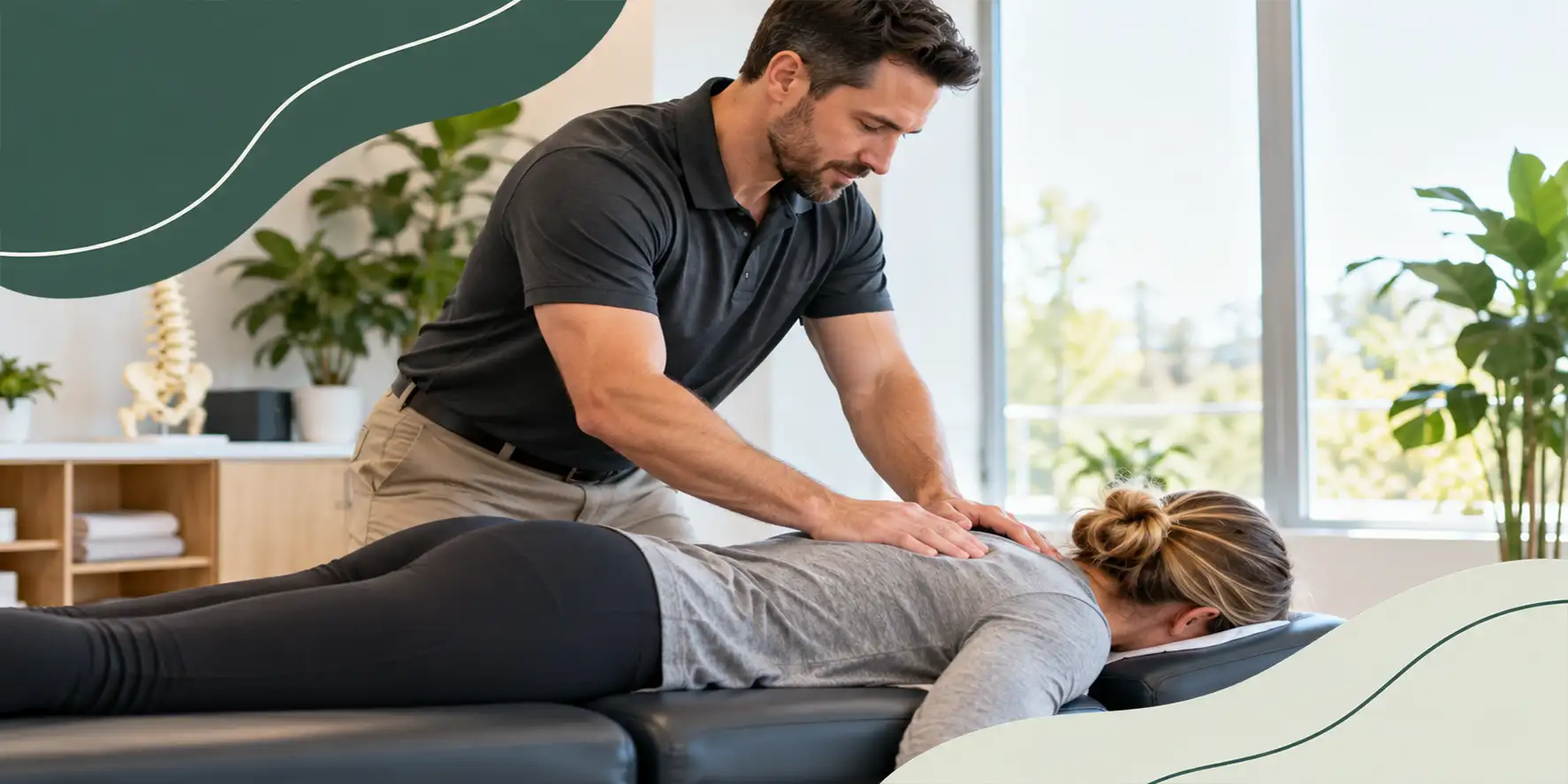
- Make specific, gentle adjustments to areas that aren’t moving or communicating well
- Use objective measures, including heart rate variability (HRV), to track how your nervous
system responds over time
What we don’t do:
- Diagnose dysautonomia or any condition
- Treat or cure dysautonomia
- Advise you to change or stop medication
HRV is one measure of how your autonomic nervous system is varying between states. It isn’t a diagnostic test, but it gives us a way of tracking change over time.
What do practice members report?
People who come to us with these experiences tell us they sometimes notice feeling more grounded, calmer, steadier and less guarded. We see these as by-products of the nervous system functioning better. We can’t promise outcomes, and everyone’s different.
What to expect at Roots
We listen: your story, your diagnosis if you have one, your medical team, and what you’ve
already tried
- Global Tonal Assessment: how tone is organised across the whole body
- Integrated Specific Spinal Assessment: where the spine isn’t functioning well
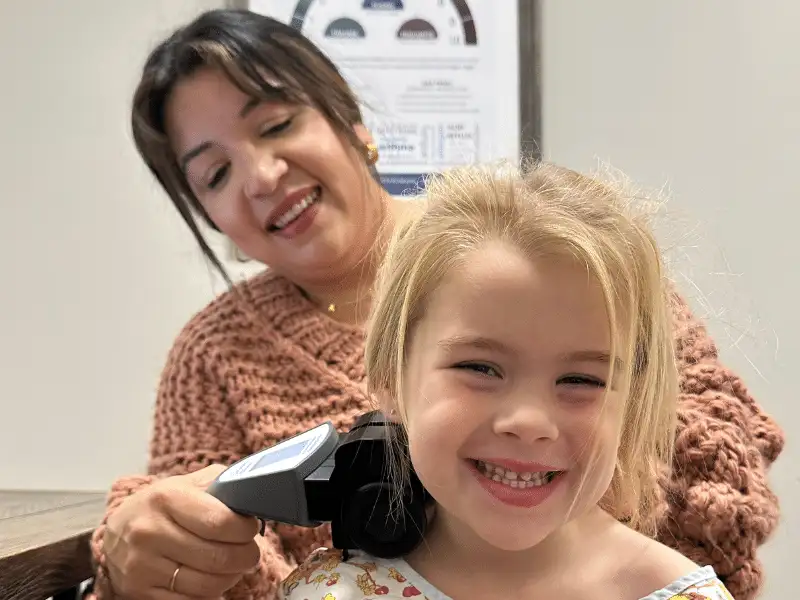
- Insight Scans (HRV, thermography and sEMG): to track how your nervous system responds
- Gentle, specific care, adapted to you
When to seek medical help
If you have fainting, chest pain, a very rapid or irregular heartbeat, severe or sudden symptoms, new numbness or weakness, or symptoms that are getting worse, please seek medical care promptly. If you haven’t had these experiences properly assessed, we encourage you to see your GP first.
Frequently asked questions
Can a chiropractor treat dysautonomia?
We don’t diagnose or treat dysautonomia or any condition. We support the function of the spine and nervous system, and we work alongside your medical team.
Is it safe?
Care is gentle and specific. With a thorough and full examination we determine how to adjust you in the most gentle and age-appropriate way for you.
The bigger picture
We recognise that the body is intelligent and capable of regulating and adapting when it’s functioning as it should. Where there’s a medical condition, that care matters. Where we can help is in supporting the system that’s being asked to cope. If you’d like to talk through whether we can support you alongside your medical care, book a consultation at Roots Chiropractic in Horsham. Please reach out. I’m here to help.
Kindest,
Morgan
Sources
- Cleveland Clinic. Dysautonomia. my.clevelandclinic.org/health/articles/6004-dysautonomia
- Jacob, G., Diedrich, L., Sato, K., Brychta, R.J., Raj, S.R., Robertson, D. et al. (2019) ‘Vagal and
sympathetic function in neuropathic postural tachycardia syndrome’, Hypertension, 73(5), pp.
1087–1096. - Li, J.-X., Qiu, X. and Gao, M. (2025) ‘Comparative analysis of autonomic nervous system function
in patients with postural orthostatic tachycardia syndrome versus a head-up tilt testing-
negative cohort’, IBRO Neuroscience Reports, June 2025. Available at:
https://doaj.org/article/77dc2e6e97b044a4956ef30e84b148f2 (Accessed: 22 October 2026). - Swai, J., Hu, Z., Zhao, X., Rugambwa, T. and Ming, G. (2019) ‘Heart rate and heart rate variability
comparison between postural orthostatic tachycardia syndrome versus healthy participants; a
systematic review and meta-analysis’, BMC Cardiovascular Disorders, 19, article 320.
doi:10.1186/s12872-019-01298-y.