
It All Starts With Structure
When we talk about body structure and function, it can sound a bit technical at first. A bit like something out of a GCSE biology textbook. But in reality, it is far more practical than that. It shows up in how you sit on the sofa after a long day, how you walk to the shops, or even how your neck feels after scrolling on your phone for ten minutes longer than you planned.
Structure is quite literally the foundation of how your body works. If the structure is balanced, things tend to move smoothly. If it is slightly off, the body still works, but it may need to compensate. And those small compensations, repeated over time, can start to add up.
At Roots Chiropractic, we often explain that body structure and function are closely linked. Not in an abstract way, but in a very real, everyday sense.
What Do We Mean by Structure?
Structure refers to how your body is physically organised. Bones, joints, muscles, and the way they all sit in relation to each other.
Think of it like a house. If the frame is solid and aligned, everything else works as it should. Doors open properly, windows sit straight, nothing feels strained. But if the frame shifts slightly, you might notice small things first. A door that sticks. A floor that creaks. Nothing dramatic, but not quite right either.
The same idea applies to how body structure affects movement and health. The body adapts to whatever position it is in most often. So if you are sitting hunched over a laptop most days, your structure slowly begins to reflect that.
Not instantly. Not overnight. But gradually.
The Spine: Central to Body Structure and Function
If structure is the foundation, the spine is at the centre of it all.
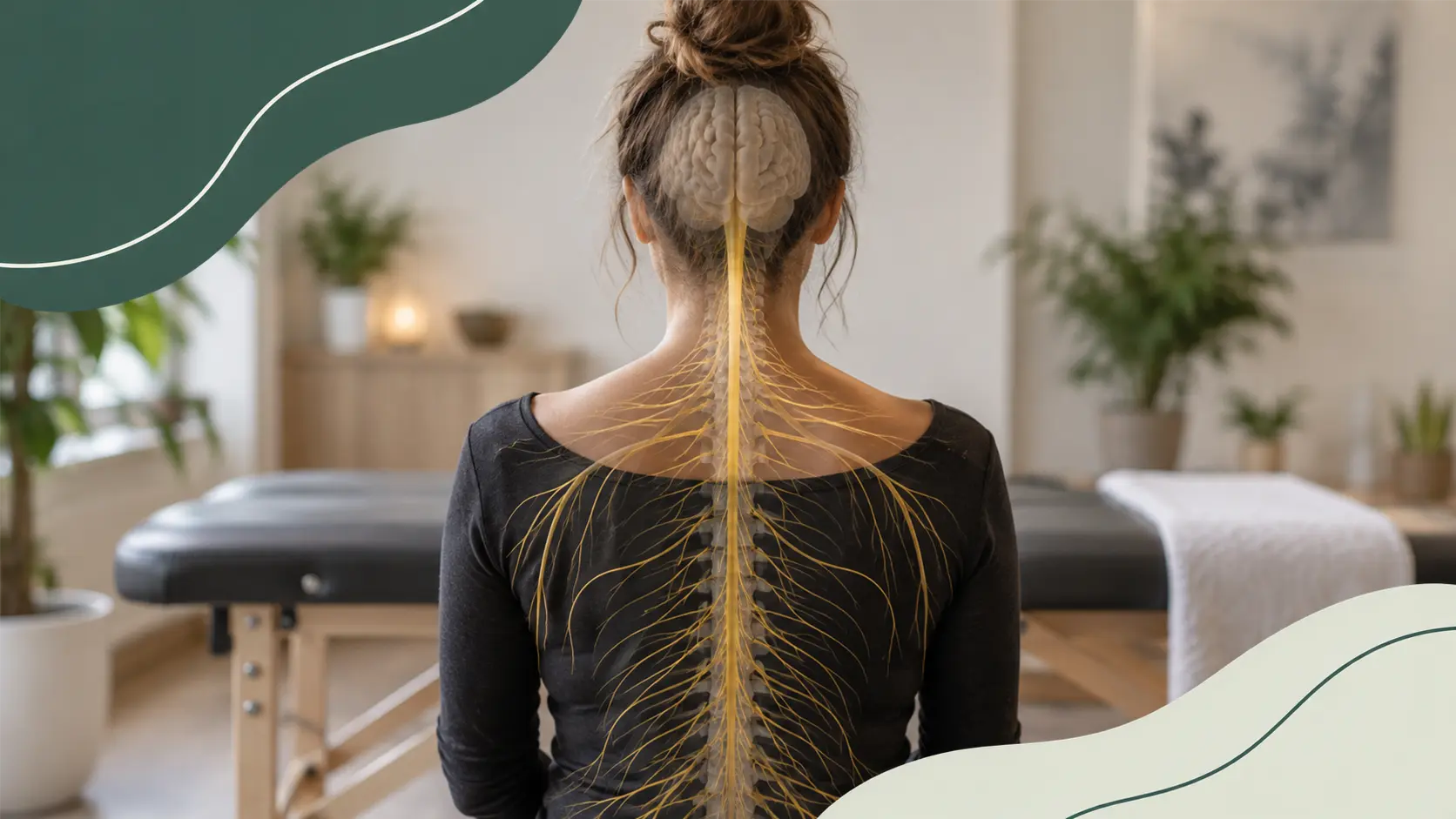
The spine supports your body, protects the nervous system, and allows movement in multiple directions. It is not just a stack of bones. It is dynamic, responsive, and constantly adapting.
This is where the importance of spinal alignment for body function becomes clear. When the spine moves well and sits in a balanced position, communication between the brain and body can happen more efficiently.
You do not need to think about it most of the time. It just works in the background. A bit like good Wi-Fi. You only notice it when something is off.
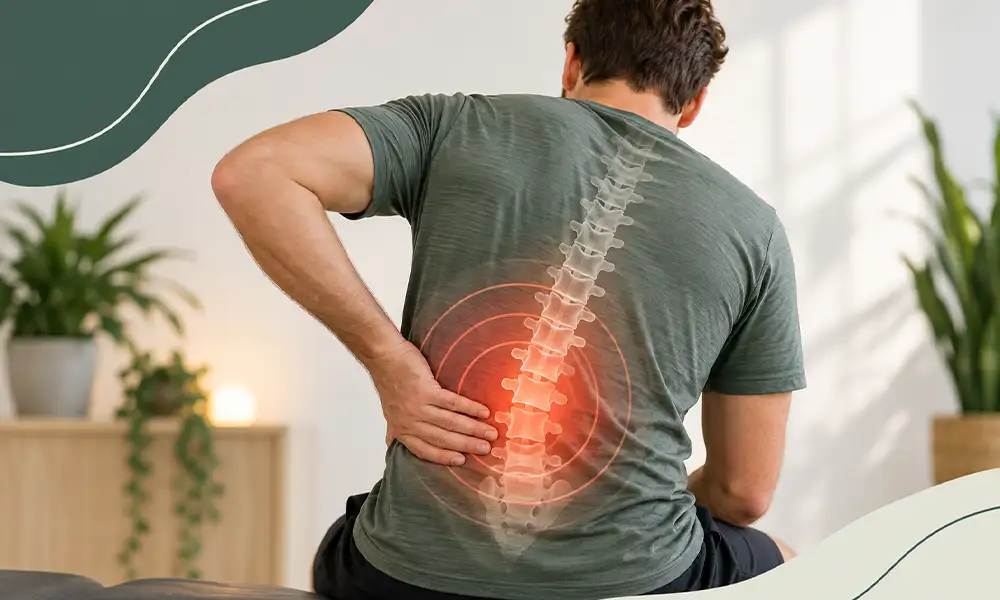
And when it is off, you might feel it as stiffness, tension, or just a general sense that things are not quite as easy as they could be.
How the Body Compensates
The body is clever. Very clever, actually.
If one area is not moving as it should, another area will often pick up the slack. It is a natural survival mechanism. It keeps you functioning, even if things are not perfectly balanced.
But here is the thing. Compensation is helpful in the short term, but not always ideal in the long term.
For example:
- A slight imbalance in the lower back might lead to tension in the shoulders
- Limited movement in the hips could affect how you walk
- Neck positioning might change how the upper back feels
These changes are usually subtle at first. Easy to ignore. You might just think you slept funny or sat a bit too long.
But over time, these patterns can become part of your normal.
Everyday Habits Shape Your Structure
It is easy to assume structure is fixed. Something you are born with and cannot change.
But that is not entirely true.
Your daily habits play a significant role in shaping body structure and function. The way you sit, stand, move, and even rest all contribute.
Consider a typical day:
- Sitting at a desk for hours
- Looking down at your phone
- Driving or commuting
- Relaxing on the sofa in the evening
None of these is inherently bad. But repetition matters. The body adapts to what it does most often.
A bit like wearing in a pair of shoes. At first, they feel neutral. Over time, they mould to your walking pattern. Even the slightly uneven parts.
Your body does the same thing.
Why Alignment Supports Better Function
Alignment is not about being perfectly straight all the time. That would be exhausting, and honestly, unrealistic.
It is more about balance. The ability of the body to distribute load evenly and move without unnecessary strain.
When alignment is working well:
- Movement feels smoother
- Muscles do not have to overwork
- Joints move more freely
- The body feels more at ease
This is where the importance of spinal alignment for body function becomes practical, not theoretical.
You might notice it when you get up from a chair and feel less stiff. Or when walking feels a bit more natural. Small changes, but meaningful ones.
A Quick Tangent About Daily Life
It is funny, actually. Most people only think about their body when something starts to feel off.
You go about your day, make a cup of tea, sit down, stand up again, and carry on. Everything works, so you do not question it.
Then one day, you notice a bit of tightness. Or a stiffness that was not there before. And suddenly, you are very aware of your body.
That awareness is not a bad thing. It is just delayed.
If anything, it shows how much we rely on structure working quietly in the background.
Supporting Your Body’s Structure
The good news is that the body is adaptable. Just as it can develop less helpful patterns, it can also move towards better balance.
Simple ways to support how body structure affects movement and health include:
- Changing positions regularly throughout the day
- Incorporating gentle movement or stretching
- Being mindful of posture during work or rest
- Taking breaks from prolonged sitting
It does not need to be complicated. In fact, simpler tends to work better.
Consistency matters more than intensity.
The Role of Chiropractic Care
Chiropractic care focuses on supporting the relationship between structure and function.
By improving joint movement and addressing areas of restriction, the body is given a better opportunity to function as it should.
This is not about forcing the body into a position. It is about helping it find a more natural balance.
And when structure improves, function often follows.
Not always instantly. But gradually, and in a way that tends to last when supported by daily habits.
Internal Links for Further Reading
To explore related topics:
External References
For further reading on musculoskeletal health:
- National Health Service https://www.nhs.uk/live-well/exercise/
- Versus Arthritis https://www.versusarthritis.org/
FAQ: Body Structure and Function
What is meant by body structure and function?
It refers to how the physical arrangement of the body supports how it moves and operates. Structure influences function, and function can also influence structure over time.
How does body structure affect movement and health?
When the body is well balanced, movement tends to be easier and more efficient. Imbalances can lead to compensations, which may contribute to discomfort or reduced mobility.
Is spinal alignment really that important?
Yes, the spine plays a central role in supporting movement and protecting the nervous system. Balanced alignment can help the body function more effectively.
Can body structure improve over time?
In many cases, yes. With the right support, movement, and habits, the body can adapt towards better balance and function.