
It’s the Small Things That Add Up
When people think about daily habits and body health, they often imagine big lifestyle changes — intense gym routines, strict diets, or completely overhauling their routine overnight. But honestly, it’s usually not that dramatic. It’s the small, almost invisible things you do every day that end up shaping how your body feels over time.
That slightly awkward chair you always sit on. The way you lean into your phone. Even though you get out of bed in the morning. These little patterns repeat and repeat, until your body quietly adapts to them. And sometimes, not in the way you’d want.
At Roots Chiropractic, we often see how daily habits and body health are deeply connected — not in a dramatic “one wrong move ruined everything” way, but more like a slow, steady shaping process. Like water wearing down stone. Gentle, but consistent.
Why Daily Habits Matter More Than You Think
The human body is incredibly adaptable. That’s the good news. The slightly tricky news is that it adapts to everything — not just the good stuff.
If you sit for long hours, your body learns that position. If you hunch over your laptop daily, your muscles and joints begin to accept that posture as “normal.” Over time, this is where how daily habits affect posture and pain becomes really important.
It’s not about blame. Nobody is “doing it wrong.” It’s just that the body is always listening, always adjusting.
Think of it like a pair of shoes you wear every day. At first, they feel perfect. But after months of use, they start to mould to your walking pattern — even the slightly uneven bits you didn’t realise you had.
Your body does the same thing.
Posture: The Quiet Story Your Body Tells
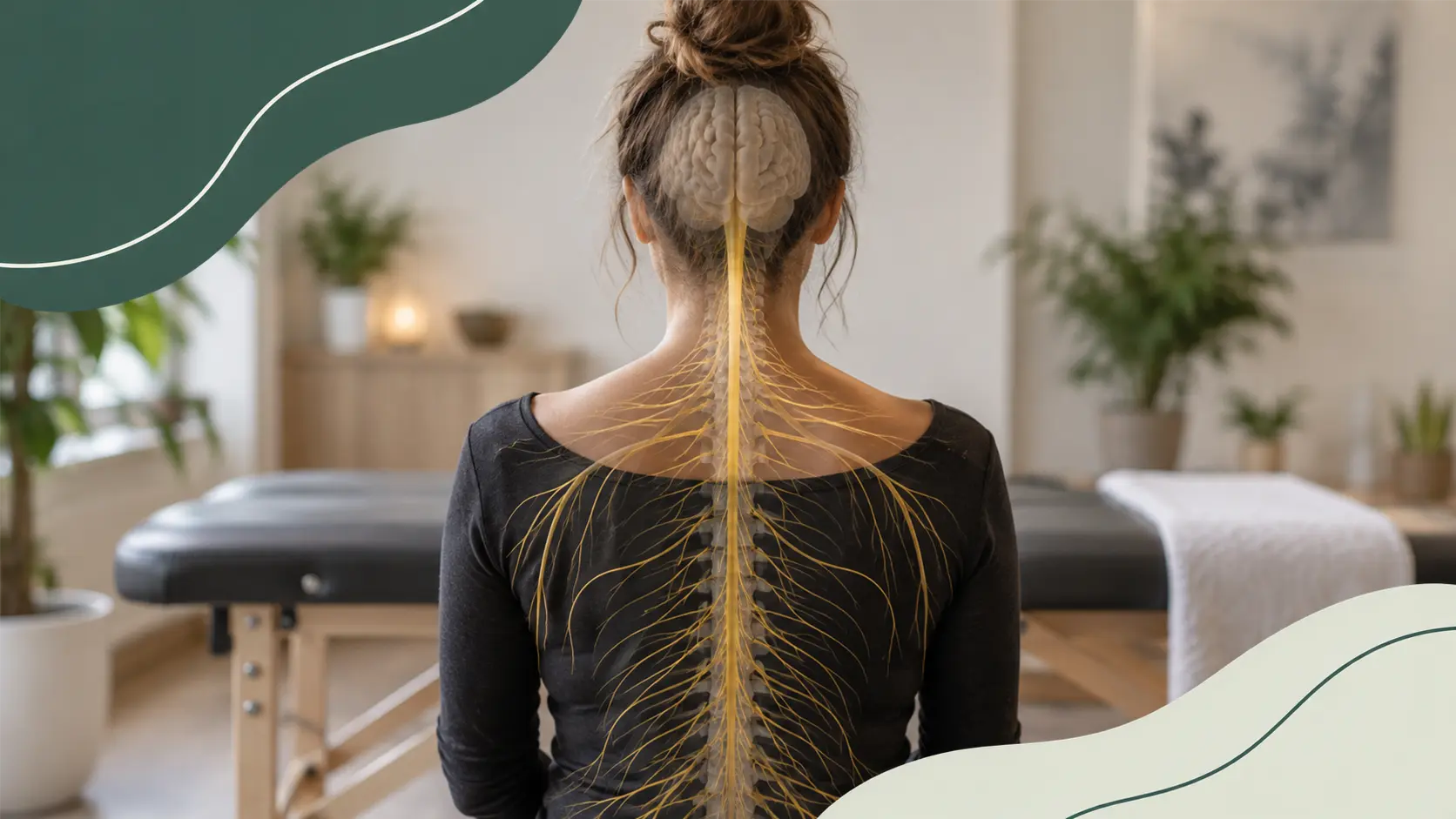
Posture is one of the clearest reflections of daily habits and body health. And yet, most people only notice posture when something starts hurting.
You might not feel your shoulders creeping forward while you scroll your phone. Or the subtle tilt of your head while working on a laptop. But your body notices. And it adapts.
Over time, these micro-adjustments can create tension patterns — tight neck muscles, stiff lower backs, or that familiar “I’ve been sitting too long” ache.
Here’s the thing, though — posture isn’t about standing perfectly straight like a soldier all day. That’s unrealistic. Life doesn’t work like that. You bend, you sit, you relax, you move.
The goal is awareness, not perfection.
Even small changes, like adjusting your screen height or taking a short walk after sitting too long, can gently shift how your body behaves over time.
The Compound Effect of Small Daily Choices
There’s a concept in health that works almost like compound interest in a bank account. Tiny deposits, made consistently, grow over time.
The same applies to simple daily habits for long-term musculoskeletal health.
- 2 minutes in the morning.
- A quick walk after lunch.
- Standing up every 45 minutes.
- Breathing a little deeper when you feel tense.
None of these feels dramatic in the moment. In fact, you might even think, “Does this even make a difference?” But over weeks and months, your body starts to respond differently.
Less stiffness. More ease in movement. A little more resilience when life gets busy — which, let’s be honest, in places like Cape Town traffic or long office days, it always does.
When Small Habits Turn Into Bigger Problems
Not all habits are harmful on their own. The issue is repetition without variation.
For example:
- Sitting in the same slouched position every day
- Carrying tension in your shoulders during stress
- Using one side of your body more than the other
Individually, they seem harmless. But over time, they can quietly contribute to discomfort.
This is where daily habits and body health become more than just a wellness phrase — it becomes a practical reality.
Your body starts to compensate. One area tightens, another weakens. And eventually, you feel it as pain or restriction.
It’s not sudden. It sneaks in.
Almost like leaving a tap slightly open — nothing dramatic at first, but over time, it builds up.
Movement Is the Body’s Natural Reset Button
If there’s one thing worth remembering, it’s this: the body is designed to move.
Movement doesn’t need to be intense. It just needs to be consistent.
Walking around the block. Stretching your back after sitting. Even standing up and rolling your shoulders while the kettle boils — it all counts.
These small movements help reset patterns that build up during the day.
From a chiropractic perspective, movement is often what keeps the system “fresh.” When the body stays in one position too long, things start to feel stuck. Not broken — just stuck.
And stuck is something you can usually change.
A Simple Way to Think About Your Body
Here’s a simple analogy we often use:
Your body is like a garden.
Not a perfect, magazine-cover garden — but a real one. The kind you see after a Cape winter rain, a bit wild, but alive.
Your daily habits are like watering, trimming, and sunlight. Do them consistently, and things grow well. Ignore them, and things don’t immediately fall apart — but over time, weeds creep in, and plants don’t thrive the same way.
The key isn’t perfection. It’s attention.
Small, consistent attention.
Internal Links (For Further Reading)
To explore more about how the body functions and how care supports long-term health:
- When Behaviour Speaks: How Chiropractic Helps Children Move Towards Calm, Focus & Regulation
- Chiropractic Care and Chronic Fatigue: Understanding the Nervous System Behind the Experience
- Why Body Structure Matters For Basic Body Functions
External References
For broader health context and research-backed insights:
- National Health Service – guidance on musculoskeletal health and physical activity
https://www.nhs.uk/live-well/exercise/ - World Health Organisation – physical activity and sedentary behaviour recommendations
https://www.who.int/news-room/fact-sheets/detail/physical-activity
FAQ: Daily Habits and Body Health
How quickly do daily habits affect posture and pain?
It varies from person to person, but many changes build up gradually over weeks or months. The body adapts slowly — which is why discomfort often feels like it appears “out of nowhere,” even though it’s been developing over time.
Can small habits really improve musculoskeletal health?
Yes. Consistent small habits are often more effective than occasional intense effort. The body responds well to repetition and gentle variation in movement.
What are the best simple daily habits for long-term musculoskeletal health?
Regular movement breaks, gentle stretching, staying hydrated, and being mindful of posture during work are some of the most effective habits.
Is bad posture permanent?
Not usually. The body is adaptable. With awareness, movement, and sometimes professional support, posture patterns can improve over time.