
Growing Bodies Are Always Changing
When we talk about child development and growth, it’s easy to picture height charts on a kitchen wall or shoes being outgrown every few months. But underneath all of that, there’s a much more interesting process happening: the body is constantly learning, adapting, and reshaping itself.
Bones lengthen, muscles strengthen, coordination improves, and posture is being “written” bit by bit through everyday activity. It’s actually quite amazing when you think about it… and also a little overwhelming as a parent, because it feels like everything is changing all at once.
At Roots Chiropractic, we often see how child development and growth isn’t just about age, it’s about how a child moves, plays, sits, carries their school bag, and even how they slump on the couch after school (which, let’s be honest, is very Cape Town after a long school day kind of behaviour).
And all of it matters. More than most people realise.
Understanding the Constant Change of Growing Bodies
Children are not just smaller adults. That’s a phrase often repeated in health care, but it’s true in a very practical way.
When we look at how physical development affects children’s posture, we’re really looking at a body that is constantly recalibrating. Bones grow faster than muscles at certain stages. Coordination takes time to catch up. And sometimes, the body feels a bit “out of sync” for a while.
You might notice it as:
- Slouching more than usual
- Awkward movement phases (a bit clumsy, then suddenly coordinated again)
- Growing pains or general aches
- Rapid changes in posture or stance
It’s not necessarily a problem. It’s just development happening in real time.
Almost like upgrading a house while still living in it, things shift, stretch, and adjust as the work continues.
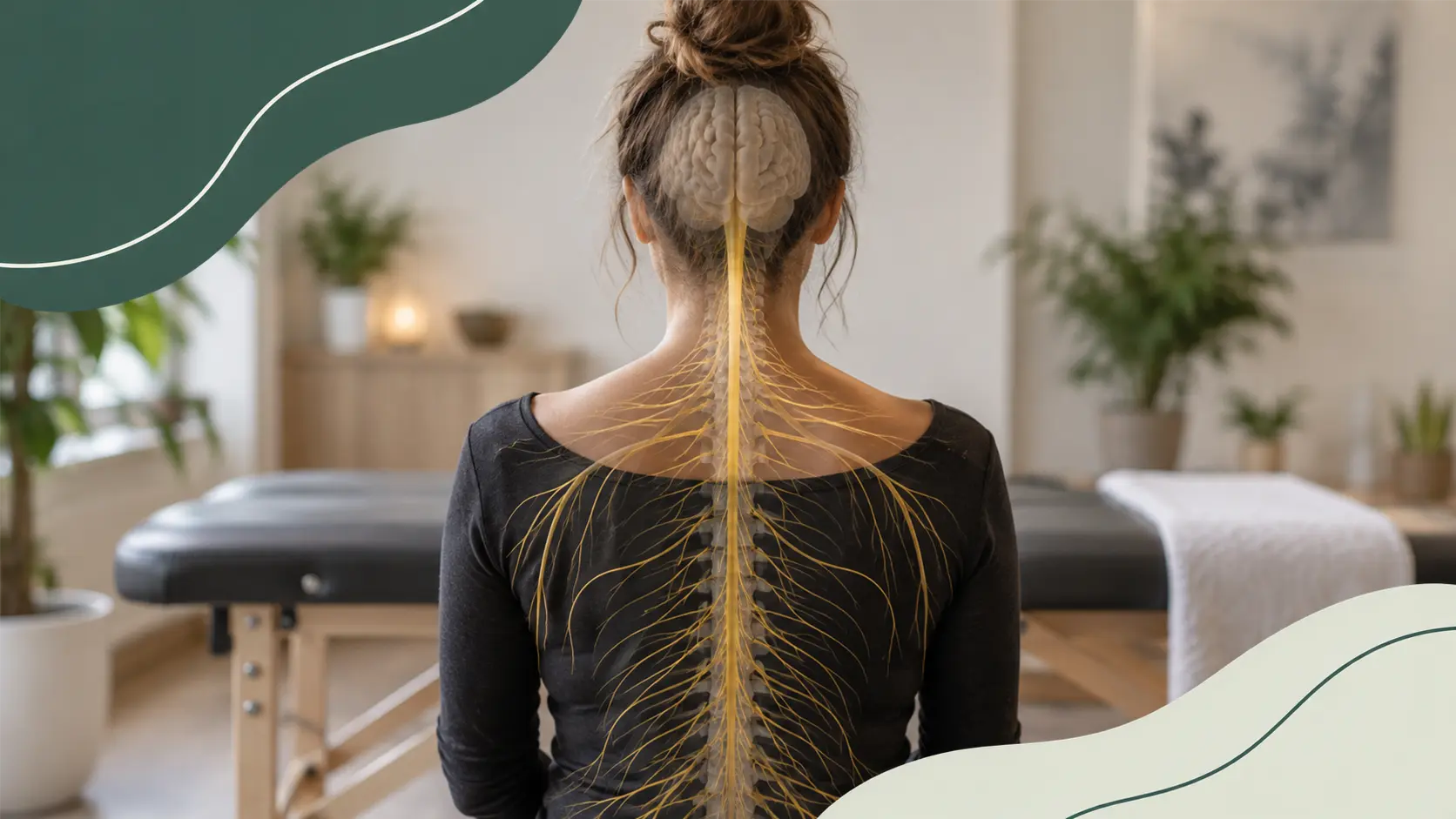
Posture: A Story Still Being Written
Posture in children is not fixed. It’s still forming.
This is why supporting growing bodies with healthy movement habits is so important early on. The habits formed during childhood often influence how the body carries itself later in life.
Now, this doesn’t mean children need “perfect posture” all the time; that’s unrealistic and, honestly, a bit stressful. Kids are meant to move, play, climb, sit funny, lie on the floor, and repeat.
But what we do want is variation.
If a child always sits in the same curled position for long periods, gaming, homework, or scrolling on a tablet, the body begins to adapt to that pattern. Not immediately, but slowly over time.
And the body is very good at adapting. Almost too good sometimes.
Movement: The Natural Builder of Strong Bodies
If there’s one thing that consistently supports child development and growth, it’s movement.
Not structured gym routines or anything intense, just natural, varied movement:
- Running around outside
- Climbing trees or playground equipment
- Cycling in the street
- Even wrestling with siblings on the lounge floor (a very real South African household activity)
These activities help develop:
- Coordination
- Balance
- Muscle strength
- Joint stability
Movement is how children “learn” their bodies. Not in theory, in practice.
And honestly, you can often see it happening in real time. One month, a child looks slightly unsteady, and the next, they’re suddenly confident, running full speed like they’ve been doing it for years.
It’s gradual, then suddenly obvious.
School Life and Its Impact on Growing Bodies
Let’s talk about school for a moment because this is where many modern postural habits start forming.
Long hours sitting at desks, leaning over books, carrying heavy school bags… it all adds up.
When we consider how physical development affects children’s posture, school becomes a key environment. Not because it’s “bad,” but because it’s repetitive.
A few common patterns include:
- Forward head posture from looking down at books or screens
- Rounded shoulders from sitting for long periods
- Uneven load from backpacks worn on one shoulder
None of these automatically causes problems. But they do shape the way the body develops over time.
That’s why breaks, movement, and awareness matter so much during the school day.
Even something as simple as standing up between study sessions can make a difference. Small, but meaningful.
Growing Pains: Not Always What People Think
Parents often mention “growing pains,” and while the term is widely used, it doesn’t always mean the same thing for every child.
Sometimes it’s muscular tension from activity. Sometimes it’s just the body adjusting to rapid change.
During phases of child development and growth, discomfort can show up in different ways, not necessarily something to worry about, but something to observe.
It’s a bit like upgrading software. Things feel slightly off for a while, then settle again.
The key is not to panic, but also not to ignore patterns that persist.
The Role of Rest and Recovery
Here’s something easy to overlook: growing bodies don’t just need activity, they need rest too.
Sleep is when most of the actual growth and repair happens. Muscles recover, tissues rebuild, and the nervous system resets.
So when we talk about supporting growing bodies with healthy movement habits, rest is part of the same conversation. Not separate.
A child who moves well during the day but doesn’t sleep well at night is still going to feel it in their body. Everything is connected.
Almost like a rhythm movement, rest, movement again.
When Should Parents Pay Attention?
Most variations in childhood development are normal. But there are times when it’s worth taking a closer look, especially if you notice:
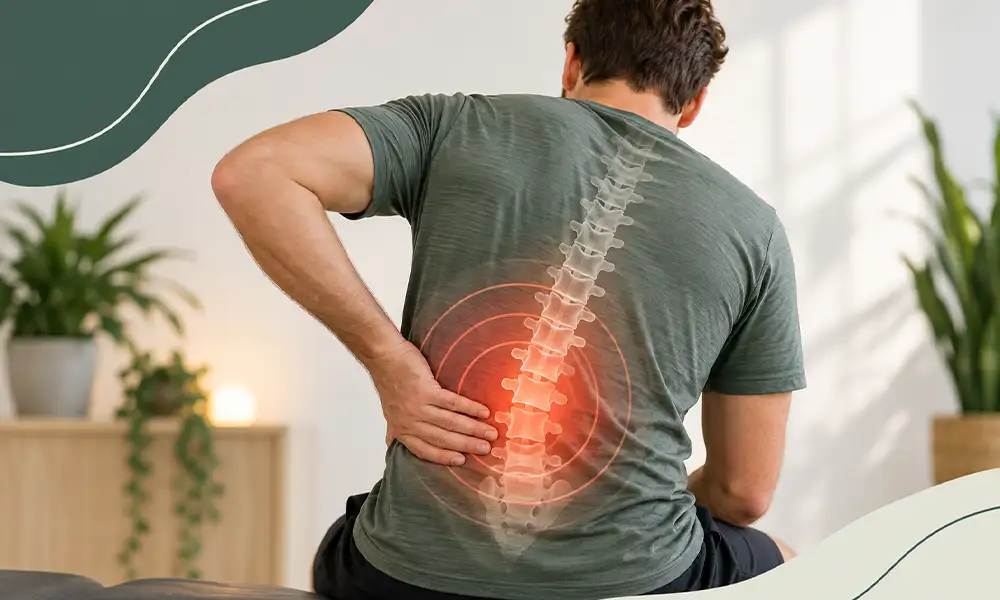
- Persistent posture imbalances
- Frequent complaints of pain or discomfort
- Limited movement or reluctance to play
- Uneven wear patterns in shoes or backpacks
It doesn’t mean something is wrong; it just means the body might need a bit of support in finding balance again.
And sometimes, small adjustments early on make a big difference later.
Internal Links for Further Reading
To explore related topics:
- How Chiropractic Helps Children Move Towards Calm, Focus & Regulation
- Chiropractic Care for Families
External References
For broader developmental health insights:
- World Health Organisation – Physical activity guidelines for children and adolescents
https://www.who.int/news-room/fact-sheets/detail/physical-activity - American Academy of Paediatrics – Child development and musculoskeletal health guidance
https://www.aap.org
FAQ: Child Development and Growth
What is normal in child development and growth?
Normal development includes phases of rapid growth, changes in coordination, and temporary awkwardness as the body adjusts. These shifts are part of how children develop strength and control.
How does posture develop in children?
Posture develops gradually through movement, sitting habits, and physical activity. It is influenced by daily routines like school, play, and screen time.
Can movement help support growing bodies?
Yes. Regular movement helps strengthen muscles, improve coordination, and support healthy joint development.
When should parents be concerned about posture?
If a child consistently shows uneven posture, discomfort, or reduced mobility, it may be worth seeking professional advice.