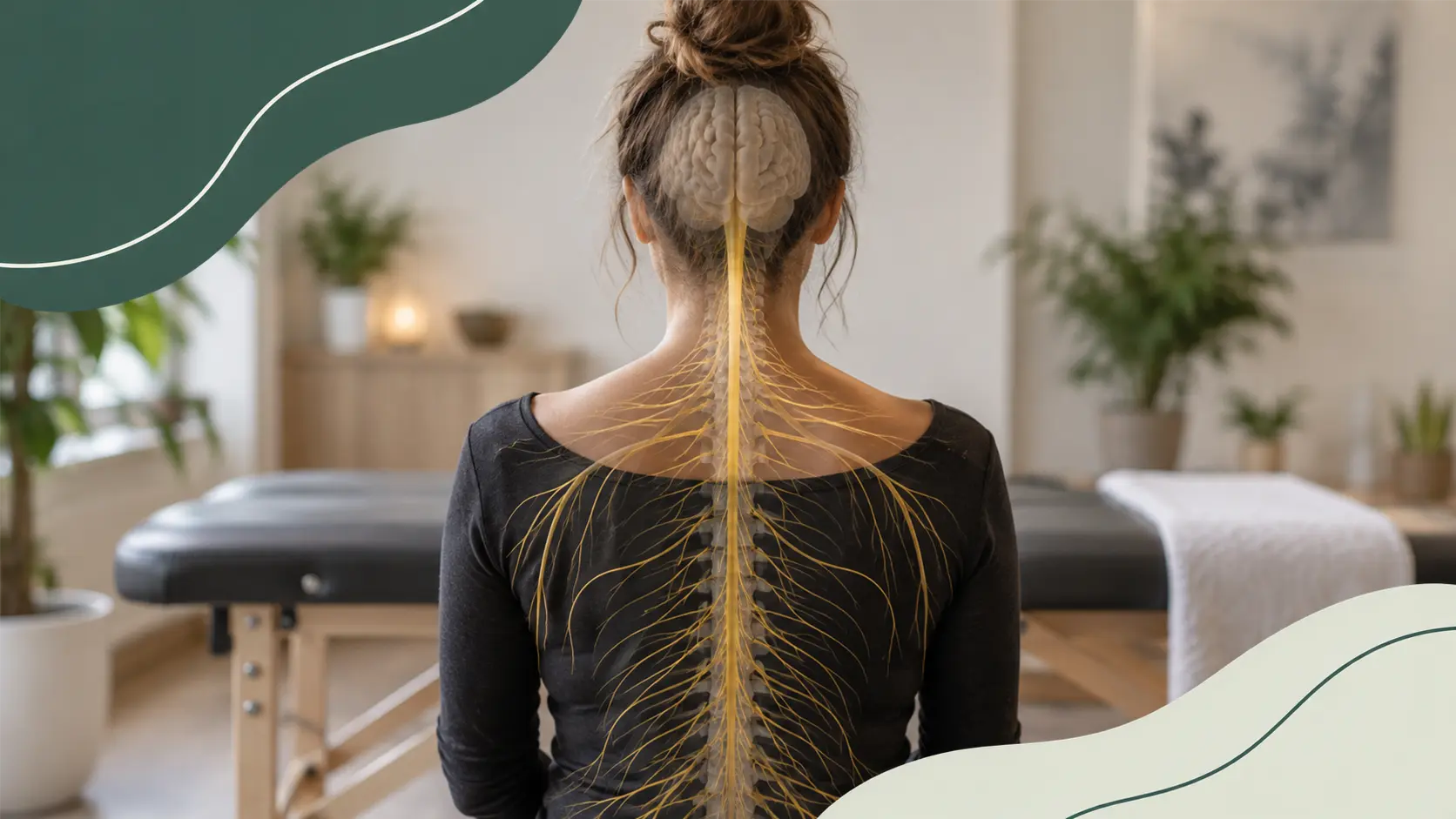

When people think about health, they often think about the absence of pain. If nothing hurts, everything must be fine. Right?
Not necessarily.
A body that functions well is about much more than simply avoiding discomfort. It is about how easily you move through daily life. It is about having the energy to do what you want to do, recovering well after activity, and feeling capable rather than limited.
Think about it for a moment. A body that functions well helps you carry shopping bags home, enjoy a walk around the local park, sit through a day at work, play with your children, or tackle a weekend DIY project without feeling completely worn out afterwards.
That does not mean feeling perfect every day. Nobody does. It simply means your body is doing its job efficiently and adapting well to the demands placed upon it.
Understanding How the Body Works as a System
One of the most important things to understand is that the body does not work in isolated parts.
Your muscles, joints, nervous system, and posture all influence one another. When one area is struggling, another area often compensates.
Think of the body like a football team. Every player has a role, but success depends on everyone working together. If one player is out of position, the rest of the team has to adjust.
The same principle applies to the human body.
A body that functions well relies on balance, coordination, and communication between different systems.
Movement Is Often the First Clue
One of the clearest signs of a healthy functioning body is comfortable movement.
You should be able to:
- Bend down comfortably
- Turn your head without restriction
- Walk without excessive fatigue
- Get up from a chair without stiffness
Many people assume stiffness is simply part of getting older. While some changes naturally occur with age, loss of movement is often influenced by lifestyle habits rather than age alone.
The body is designed to move. In many ways, movement is one of the clearest indicators of how well the body is functioning overall.
Energy Matters More Than You Think
A body that functions well is not just about movement.
Energy plays a huge role, too.
Have you ever had one of those days where everything feels like hard work? Even simple tasks seem to require extra effort. We all have those days from time to time.
However, when fatigue becomes a regular feature of life, it may indicate that the body is working harder than necessary to manage daily demands.
Good function often means the body uses energy efficiently. Movement feels easier. Recovery happens more smoothly. Daily tasks require less effort.
It is a bit like driving a well-maintained car. The journey feels smoother, fuel lasts longer, and everything works more efficiently.
Adaptability Is a Sign of Good Function
One characteristic that often gets overlooked is adaptability.
Life is rarely predictable. Some weeks involve long hours at work. Other weeks involve travelling, exercise, family commitments, or unexpected challenges.
A body that functions well can adapt to these changing demands.
This does not mean you never feel tired or sore. It means your body can recover and adjust without becoming overwhelmed.
Adaptability is one of the most valuable indicators of long-term health because life constantly changes.
The Role of Posture and Daily Habits
Posture is not about standing perfectly straight all day.
In fact, very few people manage that.
Good posture is more about being able to move between positions comfortably and maintain balance throughout the day.
Daily habits influence this more than most people realise.
Consider how much time many of us spend:
- Looking at screens
- Sitting at desks
- Driving
- Relaxing on the sofa
None of these activities is inherently bad. The challenge comes when they dominate our day without enough movement to balance them.
Small habits repeated consistently have a powerful effect on overall function.
Recovery Is Part of Function Too
Sometimes people focus entirely on activity and forget about recovery.
Yet recovery is where much of the body’s adaptation occurs.
Sleep, rest, hydration, and movement all contribute to recovery. Without adequate recovery, even healthy activities can become more difficult for the body to manage.
This is one reason why improving overall body function often starts with improving recovery habits.
The body needs time and resources to adapt.
A Quick Thought About Modern Life
Modern life places unique demands on the body.
We are often sitting more than previous generations while simultaneously dealing with higher levels of mental stress and constant digital stimulation.
It is no wonder many people feel physically drained despite not doing physically demanding work.
This does not mean modern life is the problem. It simply means we need to be more intentional about supporting the body.
A few extra walks. More movement breaks. Better awareness of posture. These small adjustments can have a surprisingly positive impact.
Where Chiropractic Care Fits In
Chiropractic care focuses on supporting movement, balance, and overall function.
Rather than simply focusing on symptoms, chiropractic care considers how the body works as an integrated system.
When joints move well and the nervous system is supported, the body often functions more efficiently.
For many people, chiropractic care is part of a broader strategy to support long-term well-being and maintain a well-functioning body.
Small Changes Can Lead to Big Results
The good news is that improving function does not usually require dramatic changes.
Often, the biggest improvements come from small, consistent actions:
- Moving more frequently
- Improving sleep habits
- Managing stress
- Supporting posture
- Staying active
These habits may seem simple, but over time, they help the body become more resilient, adaptable, and capable.
And ultimately, that is what a well-functioning body is all about.
Internal Links for Further Reading
- Understanding Load, Adaptation, and Recovery
- Body Structure and Function: Why Alignment Matters
- Movement and Comfort: Understanding the Body Connection
External References
For additional information:
- NHS Live Well: https://www.nhs.uk/live-well/
- Versus Arthritis: https://www.versusarthritis.org/
FAQ: Body Function and Health
What are the signs of a healthy functioning body?
Common signs include comfortable movement, good energy levels, efficient recovery, adaptability, and the ability to perform daily activities without excessive effort.
Can you function well even if you have occasional aches?
Yes. Occasional discomfort does not necessarily mean the body is functioning poorly. The key is how well the body adapts and recovers.
How can I improve overall body function?
Regular movement, good sleep, stress management, healthy habits, and maintaining mobility all contribute to better overall function.
Why is movement important for body function?
Movement supports joints, muscles, circulation, and nervous system function, helping the body operate efficiently.